Add Row
Add Element
cropper
update
Kids and SCREENS
update
Add Element
  • Home
  • Categories
    • Screen Time Limits
    • Educational Apps
    • Social Media Safety
    • Cyberbullying Awareness
    • Gaming & Addiction
    • Parental Controls
    • Online Privacy for Kids
    • Device-Free Activities
April 06.2025
3 Minutes Read

Discover Engaging Edutainment Apps That Make Learning Fun for Kids

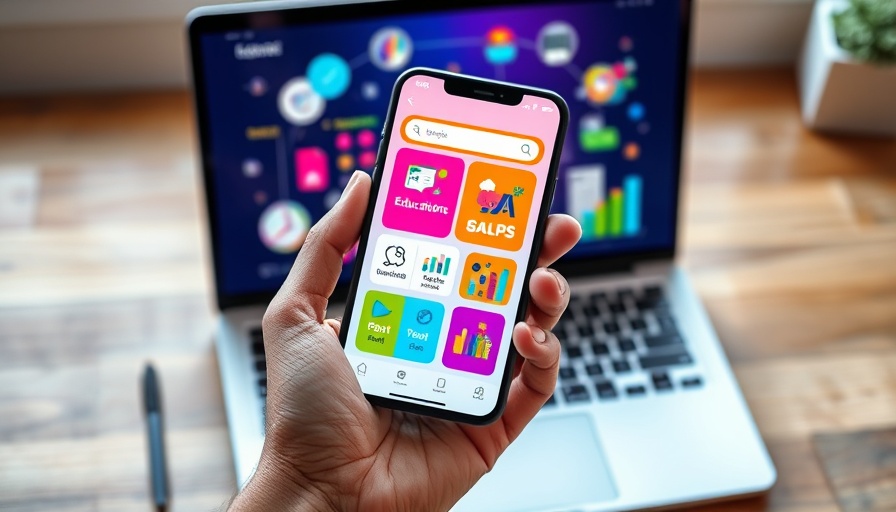
Smartphone displaying edutainment app for kids, vibrant screen.

Unlocking Fun Learning: Edutainment Apps for Kids

In today's rapidly advancing digital age, finding effective ways to engage children in learning can be challenging for parents. Edutainment apps have emerged as a powerful solution, combining educational content with interactive entertainment to make learning enjoyable. This article explores some of the top edutainment apps designed to captivate young minds while also fostering their academic growth.

Duolingo: Language Learning Made Fun

Duolingo is leading the pack when it comes to language-learning apps. It provides a gamified experience, making learning a new language feel like a game rather than a chore. With over 40 languages to choose from, Duolingo offers bite-sized lessons and interactive exercises that help children master skills in speaking, reading, writing, and listening. Its vibrant interface and daily reminders encourage consistent practice, establishing learning as a rewarding habit. The app adapts to the user’s level, ensuring personalized instruction that fits different learning paces, making it suitable for beginners and advanced learners alike.

Photomath: Turning Math into Magic

If your child struggles with math, Photomath is a must-have tool. Designed to support students struggling with math problems, it allows users to simply scan handwritten or printed equations to receive instant, step-by-step solutions. This interactive approach not only helps students complete their homework but also fosters a deeper understanding of mathematical concepts. By breaking down complex problems into manageable steps, Photomath empowers children to tackle math with confidence, whether they are at home or on the go.

Quizlet: Boosting Knowledge Retention

Quizlet is a versatile study tool that uses flashcards and smart study modes to help students learn and retain information effectively. The platform allows children to create their own personalized flashcards or explore a vast library of pre-made cards across various subjects. Features such as games, quizzes, and study reminders cater to different learning styles, making education more enjoyable and less stressful. Whether prepping for exams or mastering new vocabulary, Quizlet provides an adaptive learning experience that can adjust to any student's needs.

Kahoot: Learning Through Play

Engagement is key when it comes to learning, and Kahoot! has perfected the art of interactive education. This platform allows teachers, parents, and learners to create and enjoy quizzes and games that make sharing knowledge fun. Teams of students can engage in friendly competitions that encourage collaboration and active participation. This social aspect, combined with its colorful and user-friendly interface, ensures that learning remains lively and pleasant. Kahoot! can be used in classrooms or at home for friends and family game nights.

ClassDojo: Building a Supportive Learning Community

ClassDojo focus on strengthening communication between teachers, students, and parents. By creating a digital classroom where students can showcase their work, parents stay engaged with their child’s educational journey in real time. The app encourages positive behavior and provides a platform for teachers to share updates and feedback. Through ClassDojo, families can foster a supportive learning environment outside the classroom, reinforcing the bond between home and school.

Considerations for Parents: The Right Balance with Technology

While these edutainment apps present exciting opportunities for learning, it is important for parents to maintain a balanced approach to their children’s screen time. The American Academy of Pediatrics recommends no more than one hour of high-quality programming per day for children aged 2-5. Engaging parents in discussions about online privacy and screen time limits can help ensure that the use of these educational tools is safe and productive.

Wrap Up: Making Education Fun

The integration of technology into learning has revolutionized the educational landscape, making it indispensable for modern learners. Edutainment apps like Duolingo, Photomath, Quizlet, Kahoot!, and ClassDojo not only make learning fun but also enhance the overall educational experience for children. As parents, embracing these tools and ensuring balanced usage can set children on a path to success.

For parents looking to introduce these edutainment solutions into their children’s routine, start by setting aside dedicated learning times, mixing these apps with traditional learning methods to create a well-rounded educational approach.

Educational Apps

8 Views

0 Comments

Write A Comment

*
*
Related Posts All Posts
12.04.2025

Students Become App Developers: A New Era of Educational Apps

Update Empowering Young Minds: Kids as App Developers This fall, first graders at Eagle Point Elementary School are not just learning the basics of education but are also stepping into the exciting world of technology by play-testing educational apps in collaboration with Crayola. Under the guidance of digital content creators, the students are exploring game design while influencing the product that will soon be enjoyed by children globally. In this innovative initiative, young learners are not just passive users but active contributors, effectively adding "developer" to their resumes. First Encounters with Technology As part of their educational journey, students in Stephany Clarke’s class have taken part in a beta project that encourages creativity and critical thinking. Through play-testing online coloring and creativity apps like Crayola Create & Play, they engage directly with technology in a way that fosters both fun and learning. This kind of engagement is vital in an age where technology is interwoven with everyday life, and it prepares children for a future where digital literacy is paramount. The Role of Creativity in Learning Research has shown that creative activities enhance cognitive abilities in young children. By developing educational apps, these students allow their creative expressions to shape the digital tools they interact with. As highlighted in recent projects, such as Crayola's partnership with the Smithsonian, learning apps can integrate educational content that enhances understanding across various subjects, including art and science. This collaboration aligns creativity with knowledge, reinforcing the importance of innovative learning environments. Building Confidence through Feedback What is especially noteworthy is the feedback mechanism incorporated into these sessions. Students are encouraged to provide insights and suggestions for improvements, showcasing how their opinions matter in the creation process. This aspect promotes a sense of ownership among the children, allowing them to see that their voices can influence the outcome of a project. Encouraging such involvement helps build confidence in their abilities and strengthens their critical thinking skills. Engaging with Educational Apps Crayola Create & Play has made significant strides in creating a platform where educational concepts merge with creative fun. As mentioned in various reviews, parents appreciate apps that are not only entertaining for children but also educational, helping develop various skills such as fine motor skills, problem-solving, and creativity. This app encourages guilt-free screen time where children are engaged in productive activities while having fun. What Parents Should Know About Educational Apps For parents, it is essential to understand the benefits of quality educational apps. They provide children with unique opportunities to explore subjects in a hands-on and entertaining way that traditional textbooks cannot match. With features that adhere to privacy and safety standards, parents can trust these platforms to provide a secure learning environment. This initiative demonstrates the potential for educational apps in shaping the future of learning. Conclusion: The Future of Learning is Here The integration of app development into the educational curriculum is a compelling look at how technology can empower students. By actively participating in the creation of educational tools, they gain valuable skills and insights. As these young minds step into new roles, it opens an exciting dialogue about the future of education underpinned by technology and creativity. Parents are encouraged to embrace these innovative initiatives as tools to support their children’s learning journey. If you’re interested in fostering your child’s creativity, consider exploring educational apps together as a family. Engage with platforms that encourage learning and creativity while ensuring a safe digital environment. The journey into the digital landscape is just beginning, and your active participation can lead to rewarding experiences for both you and your children.

12.03.2025

Discover How E-Learning Apps are Transforming Education for Families

Update Exploring the Surge in E-Learning App Popularity The landscape of education has experienced a tectonic shift in recent years, particularly with the advent of e-learning apps. Major players like edX, LinkedIn Learning, and MasterClass have positioned themselves as frontrunners, providing diverse learning opportunities accessible from anywhere. This transformation is largely driven by technological advancements and an increasing demand for flexible learning solutions among families and students. The Evolution of E-Learning Platforms E-learning platforms have evolved from basic online course offerings to comprehensive educational tools that include interactive features, personalized learning pathways, and multimedia content. According to recent analysis, there has been a significant uptick in the usage of these platforms, demonstrating an unprecedented acceptance of digital learning methods. Popular choices among parents include edX, which partners with top universities to provide high-quality courses, and MasterClass, known for its celebrity-led content. Why Parents are Turning to E-Learning With screen time concerns looming for many parents, e-learning apps are often viewed as a legitimate solution for educational growth. These platforms not only facilitate learning but also do so in a manner that is engaging and interactive. Instead of traditional classrooms, children can access lessons that cater to their interests, allowing for personalized education that bolsters their skills while keeping them engaged. Key Benefits of E-Learning for Children One of the most significant benefits of e-learning apps is their ability to adapt to individual learning paces. Children can easily revisit complex concepts and hone skills with instant feedback mechanisms. Furthermore, the overarching flexibility of e-learning means that kids can learn at their convenience, fitting education into their busy schedules. This promotes self-discipline and encourages a love for learning. Addressing Concerns: Screen Time and Online Safety As e-learning apps rise in popularity, parents remain vigilant about screen time limitations and online safety. Many platforms, including LinkedIn Learning, implement robust parental controls and guidelines to protect children from inappropriate content. This gives parents peace of mind as they allow their children to explore various subjects online, fostering an independent learning environment. Preparing for the Future of Education The future of education looks promising with the progression of e-learning. Experts predict that these platforms will continue to innovate, incorporating technologies such as artificial intelligence and virtual reality to create immersive learning experiences. This evolution not only fosters educational growth but also transforms how families engage with learning, making it an integrated part of daily life. Embracing E-Learning: The Next Steps for Parents For parents considering e-learning options, it’s essential to evaluate the needs and preferences of their children. Start by assessing individual learning styles and interests, and research which platforms offer content that aligns with these needs. Further, engage in discussions with children about what they enjoy learning, making this journey a collaborative effort. As the e-learning market expands and improves, parents are in a unique position to harness these tools for the educational benefit of their children. E-learning apps hold the promise of transforming education, making comprehensive learning accessible, engaging, and adaptable to individual needs.

11.26.2025

Unlocking Fun: The Best Gamified Learning Apps for Your Child in 2025

Update The Rise of Gamified Learning: A Game Changer for Parents and Students As education evolves, so does the way we engage with learning materials. Gamified learning has emerged as a revolutionary approach to education in 2025, capturing the interest of both parents and students. With a market value projected to surge to $3 billion, gamification is no longer a fleeting trend; it is a well-accepted method that enriches educational experiences through interactive play. Gamified Learning: The Stats Speak Volumes Research indicates that gamification can boost student productivity by up to 50%. This is particularly significant for parents who wish to empower their children to take charge of their learning journey. When students are engaged and motivated, they show improved test scores—by approximately 34%—over traditional teaching methods. Moreover, gamified learning has shown a dramatic increase in motivation among employees in corporate settings, highlighting its effectiveness in various environments. Surveys suggest a whopping 83% increase in motivation and engagement due to gamified training methods in companies, a phenomenon that carries implications for educational practices as well. Encouraging Lifelong Learning Through Engagement Gamification transforms traditional lessons into exciting challenges, turning mundane subjects into engaging activities where students earn points, unlock achievements, and climb leaderboards. This not only captivates attention but motivates kids to apply themselves. For parents, this shift brings the assurance that their children are learning in a manner that feels effortless and enjoyable. Top Gamified Learning Apps Worth Exploring In an age where technology shapes the educational landscape, parents can harness a plethora of gamified apps to support their children’s learning. Here are a few that stand out in 2025: Duolingo: This popular language-learning app dissects lessons into bite-sized chunks, awarding points for correctness. Its daily streak feature encourages consistent practice. Mimo: Designed for adults and older students, Mimo offers project-based coding tasks, fostering real-world skills in programming. Gimkit: Combining quizzes with in-game rewards, Gimkit encourages students to create questions themselves, solidifying their understanding of the material. Prodigy: Aimed at younger students, this engaging platform gamifies math learning through epic battles—where solving math questions defeats opponents. Kahoot!: This quiz platform enables teachers to create interactive lessons, promoting engagement through real-time feedback. Realizing the Benefits of a Gamified Approach Parents who advocate for gamified learning appreciate its numerous benefits, which include increased student engagement, enhanced motivation, and the ability to adapt learning experiences to individual needs. These factors encourage children not only to learn but to embrace challenges with enthusiasm—an invaluable lesson for their adult lives. Fostering a Supportive Learning Environment The immersive experience gamified apps offer can help mitigate the challenges parents face when trying to encourage their children to learn. Such tools foster not only knowledge capture but also collaboration and social skills as students work together to meet challenges. The gamification strategy turns homework into exciting quests, making learning a shared family journey rather than a chore. Final Thoughts: Embracing Gamification as a Family As gamified learning tools gain traction, they present a vital opportunity for families to engage in educational discussions and practices. Parents should advocate for integrating these tools into daily learning routines as they enhance comprehension while making education an enjoyable experience for their children. Embracing gamification may well be the key to unlocking your child's full potential. Start exploring these apps today to discover how they can transform learning into a fun and rewarding adventure for your family!

Terms of Service

Privacy Policy

Core Modal Title

Sorry, no results found

You Might Find These Articles Interesting

T
Please Check Your Email
We Will Be Following Up Shortly
*
*
*