Add Row
Add Element
cropper
update
Kids and SCREENS
update
Add Element
  • Home
  • Categories
    • Screen Time Limits
    • Educational Apps
    • Social Media Safety
    • Cyberbullying Awareness
    • Gaming & Addiction
    • Parental Controls
    • Online Privacy for Kids
    • Device-Free Activities
September 14.2025
3 Minutes Read

Sibling Protects Brother from Racism: Taking a Stand Matters

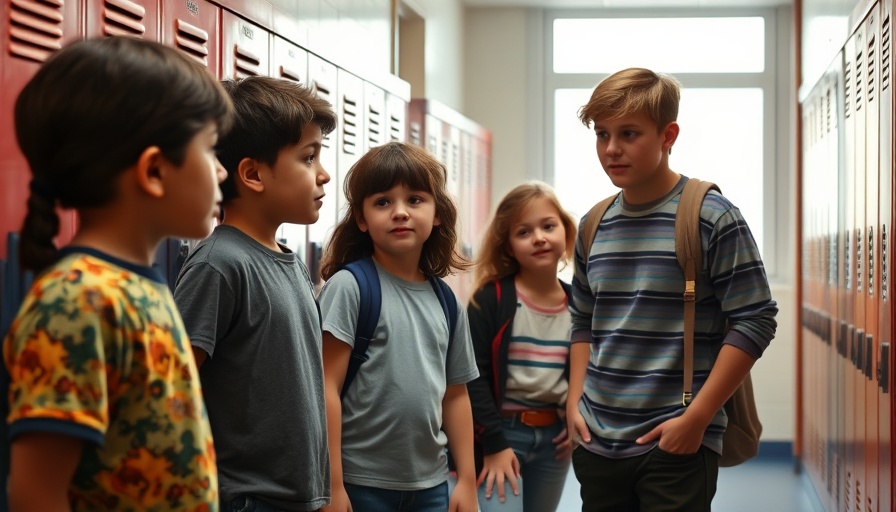
Bullying and racial slurs in schools: children bullying, adult discussing.

Brave Sister Steps Up Against School Bullying

In a bold display of sibling loyalty, a 17-year-old girl has become an online sensation after confronting a young boy who used a racial slur against her younger brother. The incident, captured on video and shared on social media, has ignited widespread discussions about racism among children and the role of parents in addressing such behavior.

Setting the Scene: A School Bus Incident

In the video, the teen addresses the boy off-camera, expressing her outrage over the use of the N-word towards her brother. "You talked to my baby like that yesterday, calling him the n-word. I’ll talk to you however the f*** I want to talk to you. You don’t say that sh**. That sh**’s not cute. That’s not funny,” she asserts, demonstrating her protective instincts. Others on the bus appear uneasy, highlighting the impact of peer dynamics in these situations.

The Implications of Childhood Racism

The Centers for Disease Control and Prevention reported that about 31.5% of high school students have experienced racism in school, with nearly half of Black students indicating the same. This alarming statistic points to the urgent need for conversations about race and bullying that begin at home, teaching children compassion and respect for diversity.

Voices from the Community

As online reactions poured in, many celebrated the sister's courageous stance while some criticized her approach. Supporters emphasized the importance of standing up against injustices, particularly when those injustices affect younger, vulnerable individuals. Comments like "Discipline your kids! Bullying is not ok" underscore a growing frustration with bullying behavior and the need for parental accountability.

Critics, however, cautioned about the use of foul language in front of younger children, suggesting that her method might not set the best example. The contrasting views present an interesting dilemma on how to effectively combat bullying: should responses be firm and assertive, even if they're controversial, or should they maintain a higher standard of conduct?

Lessons Learned: Opening the Dialogue on Racism

This incident serves as an opportunity for parents and educators to open dialogues about respect, empathy, and the devastating effects of racism. Experts suggest that uncomfortable discussions at home can help children understand the importance of kindness and the inappropriateness of racially charged language. Encouraging children to speak out against bullying and racism not only empowers them but aids in fostering a more inclusive environment.

What Can Parents Do?

For parents, this incident highlights the need to engage with their children about sensitive topics like racism and bullying. Establishing open lines of communication allows children to express their anger or confusion about these issues in a constructive manner. Tools like role-playing or attending community workshops can provide children with the skills needed to navigate such unsettling situations.

Creating Safe Spaces in Schools

Schools can implement programs focusing on empathy-building and anti-bullying campaigns that equip children with the necessary tools to handle conflicts. Parents and educators alike should advocate for resources that promote diversity and respect within classrooms, which can positively impact students’ social interactions.

Takeaway: Encourage Resilience and Bravery

In an age where bullying can extend beyond school walls through digital platforms, teaching children resilience and the tools to stand up for themselves and others become paramount. By fostering an environment of support at home, parents can empower their children to confront injustices, just like the brave sister did.

This incident not only shines a light on the challenges some children face but also demonstrates the power of sibling relationships. It's a vivid reminder of the significant role siblings can play in protecting one another and advocating against injustices.

Join the conversation—how do you talk to your children about racism and bullying? What strategies have worked for you?

Cyberbullying Awareness

4 Views

0 Comments

Write A Comment

*
*
Related Posts All Posts
12.06.2025

Veterans Come Together to Support Bullying Victim Sirus Miklos

Update The Heartwarming Rally of Support for Sirus Miklos In Lancaster County, Pennsylvania, the power of community and compassion emerged in response to bullying when a group of veterans rallied around a seven-year-old boy named Sirus Miklos. Born with spinal muscular atrophy, Sirus has faced harassment from unkind drivers at his school bus stop, igniting a heartfelt plea for awareness and support from people around the country. As his story went viral, it touched the lives of many, including Amy Patterson, a former Marine from Orlando, Florida. She saw the emotional video detailing Sirus's struggles and felt compelled to act. Amy, a mother of two children with disabilities herself, understood the depth of Sirus and his family's experience. "Being a medical mom can feel isolating; I wanted them to know they're not alone," she said. Veterans Take Action Against Bullying The challenge that Sirus faces—being bullied at such a young age—transcends geographic boundaries and speaks to the larger issue of social acceptance for individuals with disabilities. The gathering of veterans at the bus stop not only symbolized solidarity but also a powerful message against bullying. With gifts and heartfelt messages of encouragement, these veterans turned what began as an unfortunate situation into a celebration of strength and community. "I wanted Sirus's family to know they have a community that supports them," Patterson noted as she took action. Her efforts underscored a growing movement within veteran communities to advocate for the rights of those with disabilities, highlighting the bond between individuals facing similar challenges. Building Bridges Through Shared Experiences The emotional impact of this gathering extended beyond mere acknowledgement; it fostered genuine connections among those involved. "The biggest driving feeling is so much love, and it’s nice to not be the only one fighting for that," said Danielle, Sirus's mother. She emphasized the importance of finding others who understand the unique struggles faced by families with disabled children. Joining the effort, local chapters of the Paralyzed Veterans of America brought additional gifts, including a tablet and stuffed animals for Sirus. This collective effort sheds light on the critical role that community support plays in bolstering the spirits of those who feel marginalized. Raising Awareness: The Start of a Change The incident at Sirus's bus stop has sparked crucial conversations around bullying and awareness regarding disabilities. With the ongoing support highlighted by the veterans, there is hope that their actions will pave the way for more compassionate behavior in public spaces. As communities unite, the narrative around bullying in situations involving individuals with disabilities is slowly shifting, encouraging dialogue that promotes empathy and understanding. “The outpouring of support has been overwhelming; it shows the change we can make together,” Patterson commented, reflecting on the significance of their actions. Many on social media are rallying to amplify Sirus's story, using it as a catalyst for change. Encouraging Empathy in our Children This vivid display of unity provides parents with an essential perspective on discussing empathy, kindness, and acceptance with their children. As families navigate the complexities of social interactions, stories like Sirus’s can serve as educational tools for fostering Gracing understanding and compassion in younger generations. In light of this event, parents are called to reinforce positive behaviors in their children, encouraging them to stand against bullying and support their peers. By engaging children in open discussions about disabilities, acceptance can normalize healthy interactions and diminish stigma. Call to Action: Be the Change The heartwarming actions of the veterans surrounding Sirus Miklos remind us that each of us can make a difference in the lives of others. As we reflect on this inspiring story, let’s embrace the responsibility of teaching our children compassion, advocating for kindness, and standing up against bullying in our communities. Together, we can foster a culture of support and respect that extends beyond borders and imparts powerful lessons both at home and in society.

12.04.2025

Effective Strategies for Parents to Prevent Bullying in Schools

Update Understanding Bullying: Why Awareness Matters Bullying is a complex social issue that transcends school environments, affecting children’s mental health and academic success. According to various studies, including insights from StopBullying.gov, children need to be educated about what constitutes bullying and the impact it has not only on victims but also on bystanders and bullies themselves. It's crucial to maintain open lines of communication and help children articulate their feelings regarding bullying, allowing them to share their experiences safely and seek assistance when necessary. Building a Positive School Climate Research demonstrates that fostering a positive school climate is one of the most effective strategies for preventing bullying. A supportive and respectful environment can enhance students' emotional well-being, making them less susceptible to bullying or aggressive behaviors. Encouraging social-emotional learning helps students build resilience, empathy, and self-awareness — attributes that are essential for reducing incidents of bullying in schools. Practical Tips for Parents to Combat Bullying 1. **Engage in Regular Conversations**: Regular check-ins with your children can help you understand their school experiences better. Ask them about their friendships and daily interactions. 2. **Encourage Participation in Activities**: Support your kids to engage in activities they love. This not only boosts their self-esteem but also helps them form friendships, providing a protective buffer against being bullied. 3. **Model Kindness and Respect**: Kids often mirror the behavior of adults. Demonstrating empathy and respect in your interactions teaches children the importance of positive interpersonal relationships. Empowering Bystanders Encouraging bystanders to intervene safely can significantly diminish bullying incidents. Schools should educate students about the importance of standing up for peers and providing safe channels for reporting bullying behavior anonymously. As noted in the research material from Nebraska Department of Education, student-led initiatives can empower kids to take charge in fostering a safer school environment. What Parents Can Do As a parent, you play a pivotal role in your child’s social education. Many strategies discussed show that active involvement from parents can determine how effectively bullying is addressed in schools. The community must rally together to institutionalize effective policies while promoting a culture of empathy and support. Combatting bullying requires a collective effort between parents, educators, and students. By understanding the dynamics of bullying and implementing supportive strategies, we can create a safe learning environment for all children. Start conversations today about how to promote kindness and respect in your school community.

12.03.2025

Why A Glimmer of Change Sets New Standards in Anti-Bullying Literature

Update Understanding Bullying Through the Lens of Autism In today's literary landscape, stories that showcase diverse perspectives are more crucial than ever. A Glimmer of Change, penned by renowned author Elle McNicoll, takes us on an authentic journey through the eyes of Keedie Darrow, a girl on the autism spectrum. Set against the backdrop of Juniper, Scotland, this novel not only tackles the pervasive issue of bullying but does so with a heartfelt narrative that resonates with young readers and their families. The Power of Relatable Characters Stories like Keedie's offer an invaluable opportunity for children to engage with characters who mirror their own experiences or those of their peers. Representation in literature, especially regarding autism, fosters empathy and understanding in young minds. As highlighted by Helping Hands Family, creators of children's stories can promote kindness and social inclusion through relatable characters. When children encounter characters overcoming bullying and challenges associated with autism, they learn important lessons about acceptance and resilience. Create Conversations About Empathy and Inclusivity McNicoll's narrative is a springboard for discussions around difficult topics such as bullying, emotional struggles, and familial relationships. This fiction serves to validate feelings that children may encounter in real life, laying a foundation for constructive conversations about empathy. Not only does it provide insight into Keedie's experiences, but it invites readers to understand the dynamics existing between her and her twin sister Nina, emphasizing that the struggles of family ties are universal. Promoting Acceptance in the Educational Space In a society where bullying can escalate, experiencing literature that sheds light on autism and the challenges faced by individuals with autism can introduce vital lessons in acceptance and awareness. When schools incorporate such narratives into their curricula, they set a tone of kindness. As parents or educators, discussing the themes in A Glimmer of Change can open avenues for discussions about how to stand up against bullying, fostering a more inclusive school environment. Bolstering Family Dynamics Another captivating aspect of McNicoll's work is the relationship between siblings, illustrating how sharing perspectives and understanding one another's differences can promote familial bonds. Books that focus on autism, such as A Kind of Spark, enable siblings to learn empathy and patience, vital skills for nurturing a supportive household. Resources for Readers and Families For those interested in expanding their library of empowering stories, there are notable recommendations featuring characters with autism. Examples include The Very Special Critter by Mercer Mayer for younger audiences, and The Curious Incident of the Dog in the Night-Time by Mark Haddon for older readers. These books not only entertain but also educate, sparking essential accountability in how children relate to each other. Future Trends: Empathy in Storytelling As we move forward, the narrative landscape continues to evolve. There is a growing emphasis on stories that highlight inclusive behaviors and challenge stereotypes surrounding those with autism. This development is essential in shaping a kinder societal ethos, as literature can pave the way for broader acceptance and understanding. Readers of all ages will benefit from witnessing the triumphs and trials of characters like Keedie, who stand tall against bullying and strive for change. In conclusion, engaging with stories like A Glimmer of Change not only provides entertainment but also serves as an invaluable tool in combating bullying and fostering understanding of autism. Reading these narratives encourages children and their parents to talk openly about challenges, highlight differences, and promote acceptance. Together, we can cultivate a culture of empathy through literature.

Terms of Service

Privacy Policy

Core Modal Title

Sorry, no results found

You Might Find These Articles Interesting

T
Please Check Your Email
We Will Be Following Up Shortly
*
*
*