 Add Row
  Add
Add 


The Impact of Open Communication on Bullying
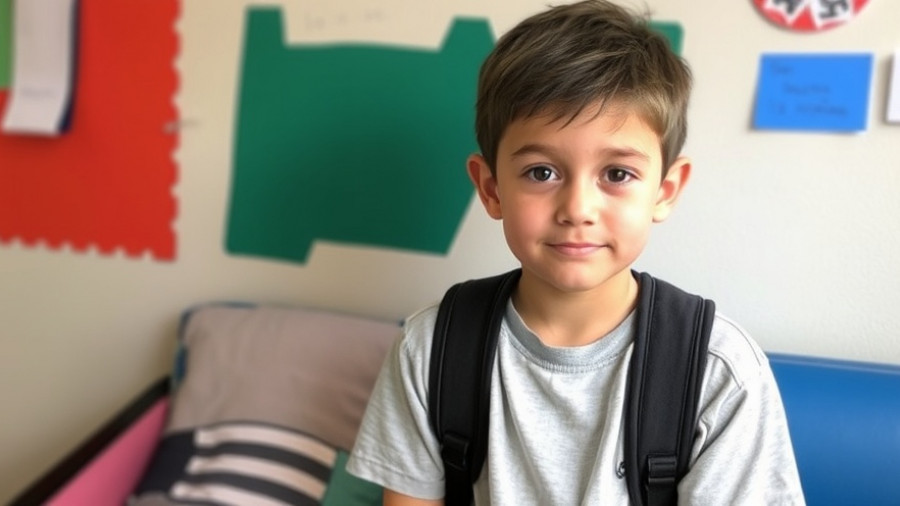
Nama Winston's journey with her son's bullying illustrates a crucial aspect of effective parental intervention—open communication. When her son, Winston, was bullied at school, he initially begged his mother not to escalate the matter, fearing retaliation. This sentiment isn't uncommon among children facing bullying. However, Winston's case highlights how valuable it is for parents to step in, even when their children express reservations. Open communication fosters trust and assures children that their concerns will be addressed in a supportive environment.
Breaking the Silence: Bullying as a Taboo Topic
The stigma surrounding bullying keeps many parents from speaking out, which Nama pointed out in her experience. Many feel isolated or ashamed, believing their child’s struggles are unique. Conversations around bullying need to expand beyond discrete mentions at school events or casual discussions amongst parents. By sharing their stories, parents can forge connections and build a community of support. It’s essential to understand that breaking this silence encourages more parents to seek help for their children.
Schools' Role in Bullying Prevention
The swift response from Winston's school serves as a beacon of hope, showcasing an effective model for how schools can intervene. Key strategies include creating a safe environment and providing immediate support to victims. Implementing a zero-tolerance policy and having designated safe spaces, as Winston's school did, empowers children and disrupts the cycle of bullying, affirming their safety and self-worth.
Building Resilience Through Supportive Strategies
Bullying impacts students profoundly, influencing their mental health and self-esteem. However, schools can counteract these effects by proactively engaging students in character education programs and peer support strategies. According to experts, involving students in crafting anti-bullying policies enhances ownership and monumental change. Schools that prioritize emotional intelligence curriculum engage students with vital skills that foster empathy, resilience, and compassion.
Why Speaking Up Makes a Difference
The act of advocating for a child can feel daunting, yet as Nama's experience showcases, it is integral for positive change. Parents should be encouraged to voice concerns about bullying without fears of stigma. Support from school staff can create a more welcoming environment for children, reassuring them that they’re not alone in their fight against bullying. It’s time to shift perspectives: opening dialogues around bullying can bring about transformational effects for families and communities at large.
Your Right to Advocate for Your Child
As a parent, you hold the right to advocate fiercely for your child. If faced with a situation similar to Nama’s, don’t hesitate to reach out to school authorities. Remember, your child’s safety and well-being come first. Building an open and communicative relationship with teachers and staff can create a disincentive for bullies and provide a safe space for victims. When parents unite in their advocacy, they empower not just their children, but create opportunities for all students in the school community.
It's crucial to address bullying head-on, establishing an environment where children can learn and thrive without fear. Through collective action, continuous dialogue, and supportive measures, we can create a nurturing community.


Write A Comment